In Brazil, electoral success still varies across regions. The Municipal Electoral Inequality Map, produced by RenovaBR, shows that political representation varies significantly across the country. Analysis of the 2016, 2020, and 2024 elections shows that gender and racial inequalities remain significant in the occupation of municipal positions, both in the Legislative and Executive branches. And even when progress is made in some areas, others continue to maintain exclusionary structures.
The data analyzed highlights the fact that only 21 cities (0.3%) in the country achieved racial and gender balance. In other words, these are the places where municipal policy somehow manages to reflect the population's image. Even so, it's important to question where the highest and lowest levels of equity lie.
In the North and Northeast regions, the majority of elected council members identified as PPI (Black, Brown, and Indigenous), demonstrating a representation closer to the demographic composition of the region. In the South and Southeast regions, the presence of PPI representatives is significantly lower, even in regions with a significant Black population.
These structural inequalities help explain the difficulties faced by local leaders in ensuring that racial and gender inclusion issues reach municipal agendas.
Electoral inequality in Brazil: where is there more representation?
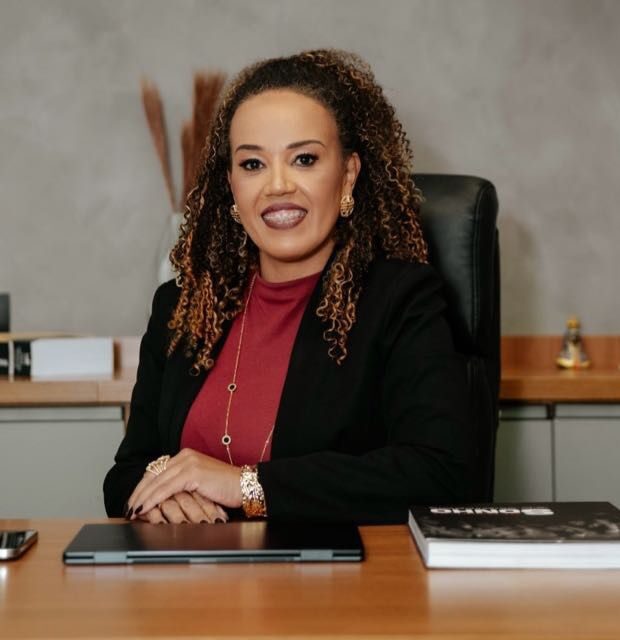
In the Southeast, where the black population is significant but remains underrepresented, the councilor Graziela Costa (Salto/SP) became the first Black woman elected in the city in over three centuries of history. "I had the honor of being the sixth woman to occupy the seat in the Legislature and was the most voted woman in Salto's history, with 1,591 votes, but we are still invisible. In the City Council, we have only two Black council members. Without diversity, essential public policies, such as Black health and job opportunities, cease to be priorities," she states.
Speaking about Black underrepresentation in the city of Salto also means speaking about a city colonized by European families, primarily Italian. "I broke a paradigm by arriving in this space, but in politics, they try to make us invisible, and that includes our stories and our demands," adds the councilwoman.
She recalls that her career is marked by the fight against social and institutional barriers. "I've already introduced 29 bills, 14 of which have been approved, but resistance is constant. Diversity directly impacts the quality of public policies. When there are no women and Black people, issues that guarantee social justice don't reach the debate," she concludes.
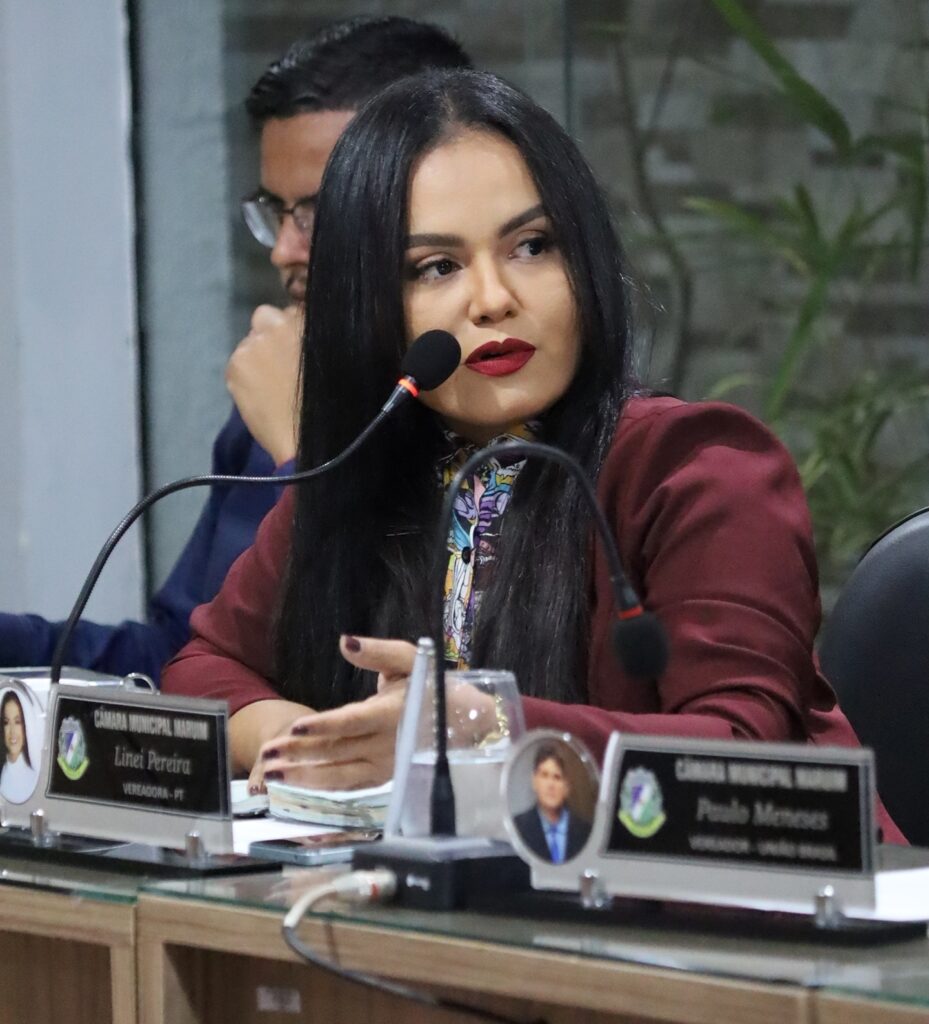
In the Northeast, the presence of Black and mixed-race council members tends to be closer to the demographic composition of the population, but gender-related barriers remain. The councilwoman Linei Pereira (Maruim/SE), assesses that the absence of women compromises the legitimacy of democracy: "When there are no women in councils, local politics ceases to reflect the reality of the people. It lacks the vision of those who organize, of those who experience the impacts of decisions firsthand."
For her, the challenge isn't in capacity, but in structures that still restrict women's space. "The resistance I've faced ranges from attempts to discredit me to the difficulty of being heard with the same weight as men. To change this situation, we need to expand gender quotas, ensure fair funding, and create mechanisms to combat political gender-based violence, which we still suffer even after being elected," she states.
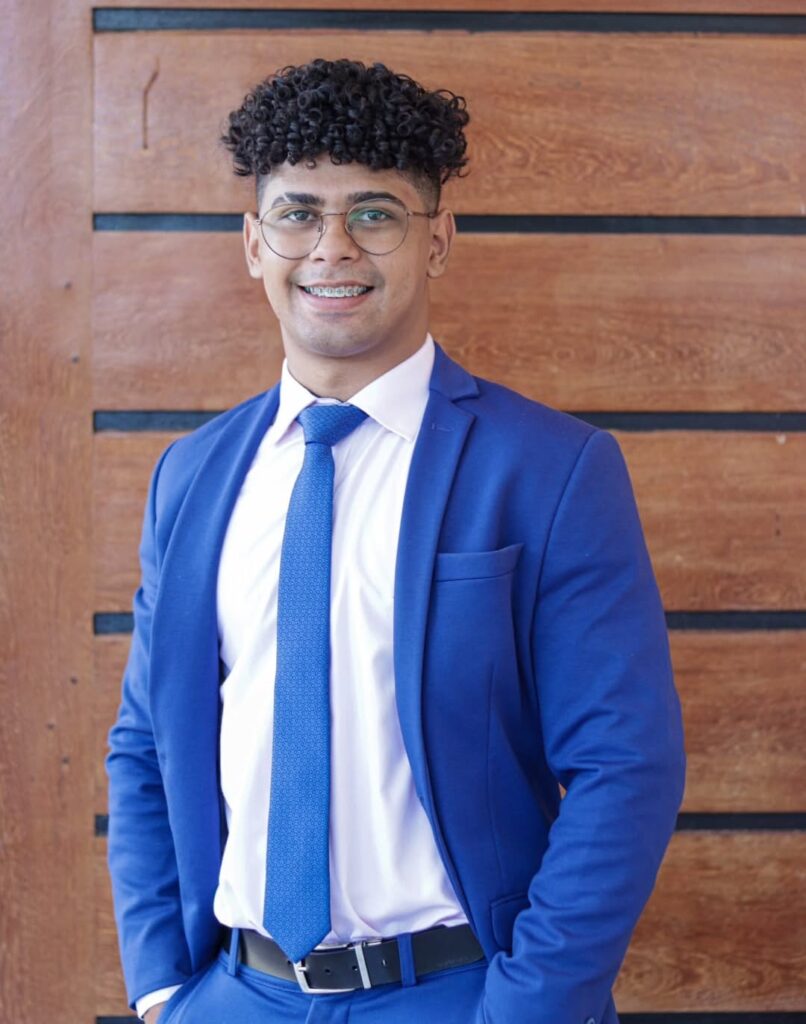
Councilor in Porto Grande (AP), Tarcio Leite He acknowledges that the North is a more diverse region and can achieve balance overall, but in Amapá, he claims there are no Black representatives in state secretariats. "When we analyze the positions of power, like in Porto Grande, we didn't have a single Black mayor," Tárcio points out.
"We've made progress, such as four women elected among 11 council members, but still no Black women. Without this representation, it's difficult to develop public policies specifically for this population," the councilman assesses.
He also highlights the barriers young people face in entering politics. "Many tried to discredit me because of my age, as if youth were synonymous with incapacity. Furthermore, the lack of party support and resources is a constant obstacle. Political education is essential for more young Black women to have the confidence to run for office," he states.
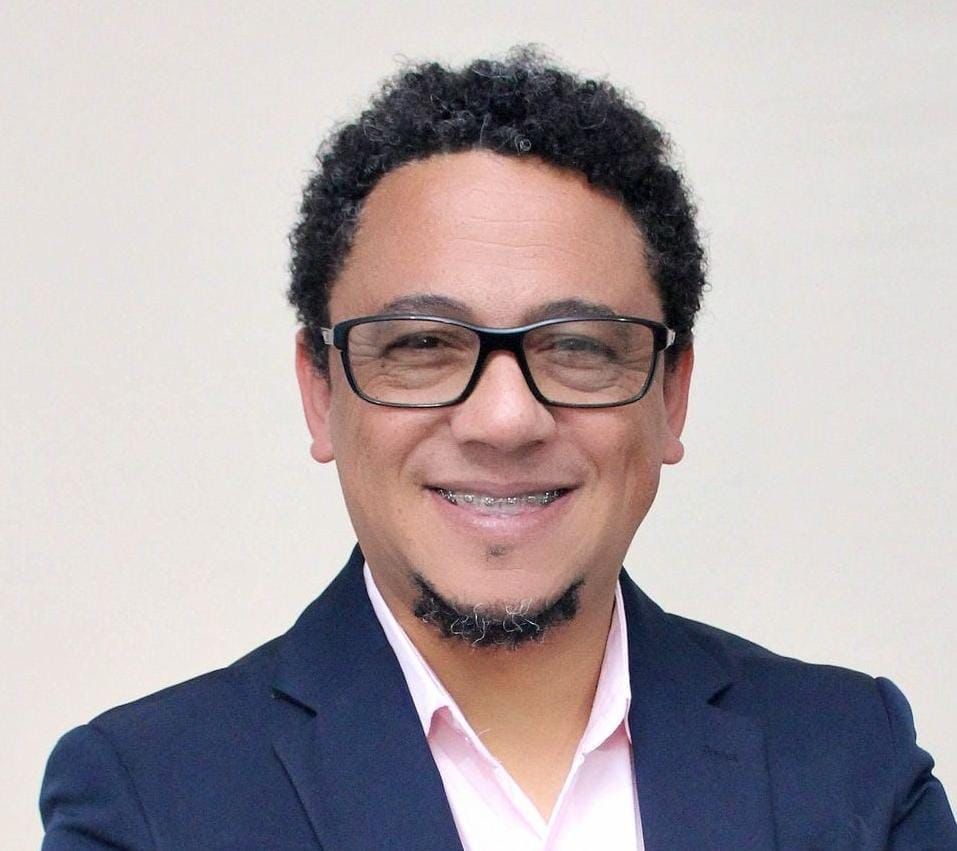
In the South, racial inequality is the most pronounced in the country. The councilman Jorge Amaro (Mostardas/RS), the first Black quilombola elected to the municipality, recalls that in its 60-year history, only three Black council members have held seats on the City Council. "Without diversity, public policies for racial equality, gender, and inclusion simply don't exist. It was only with my arrival that we were able to pass quota laws and include the racial issue on the municipal agenda," he says.
For Amaro, valuing history is also a way to transform politics. "Mostardas has always been treated as an Azorean city, ignoring the Black presence that helped shape our territory. One of the first laws I created was to recognize it as an Afro-Azorean city. It's giving Black people the place they've been denied for centuries," he says.
To change this situation, the leaders interviewed agree on several points: political training, strengthening quota policies, adequate funding, and genuine party encouragement for women and Black candidates.
"Representation isn't just about occupying a seat, but ensuring that society's diversity is present in decision-making," Amaro summarizes. Graziela reinforces: "We need protagonism, visibility, and a voice. Parties need to support Black and female candidates before and after the election period."


