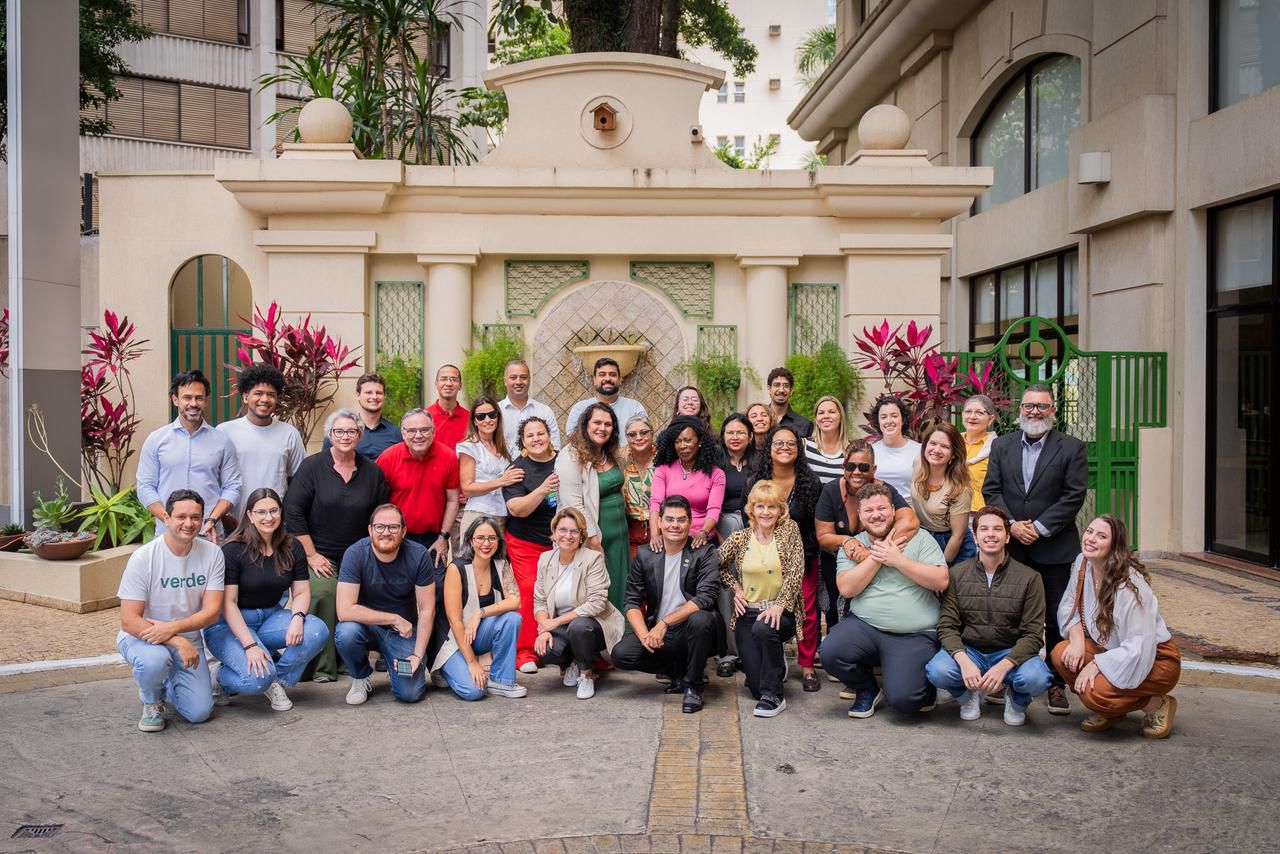
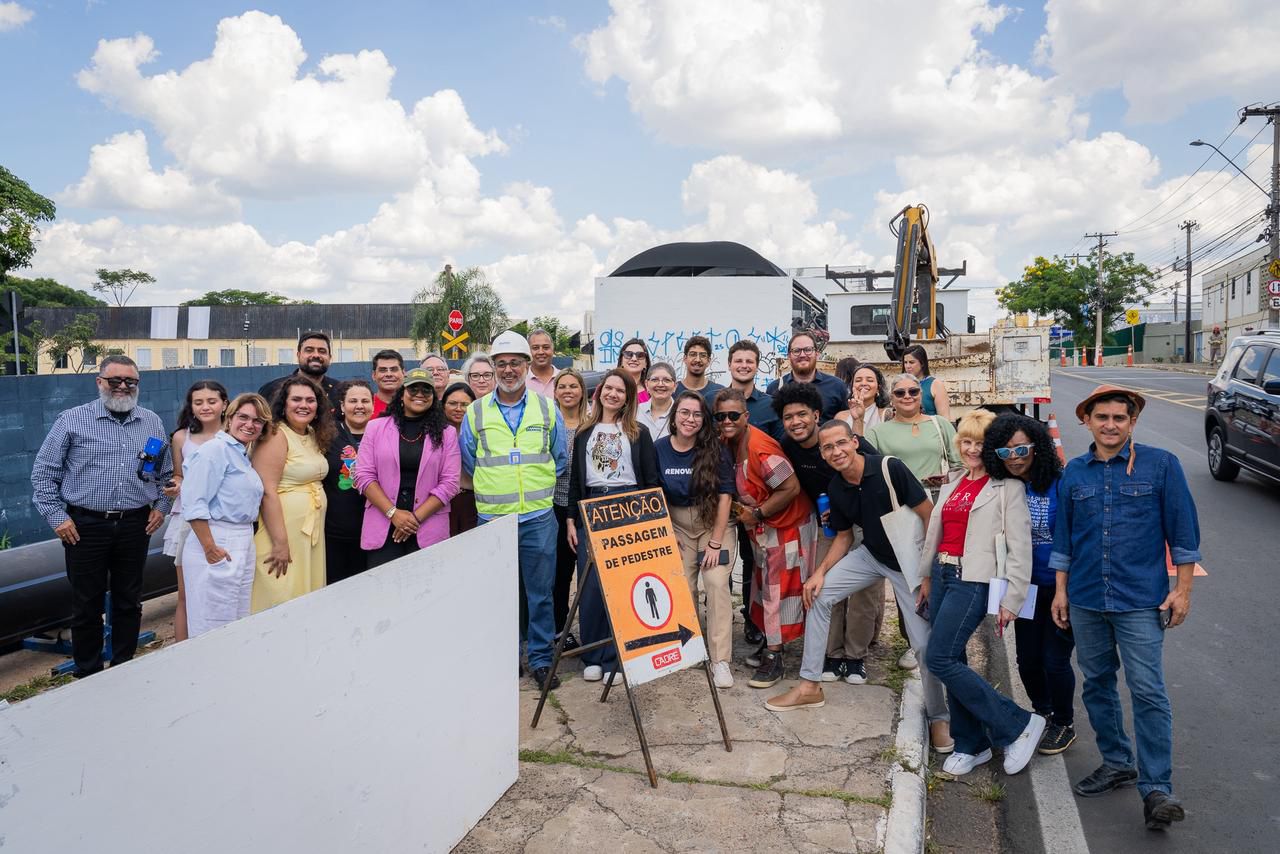
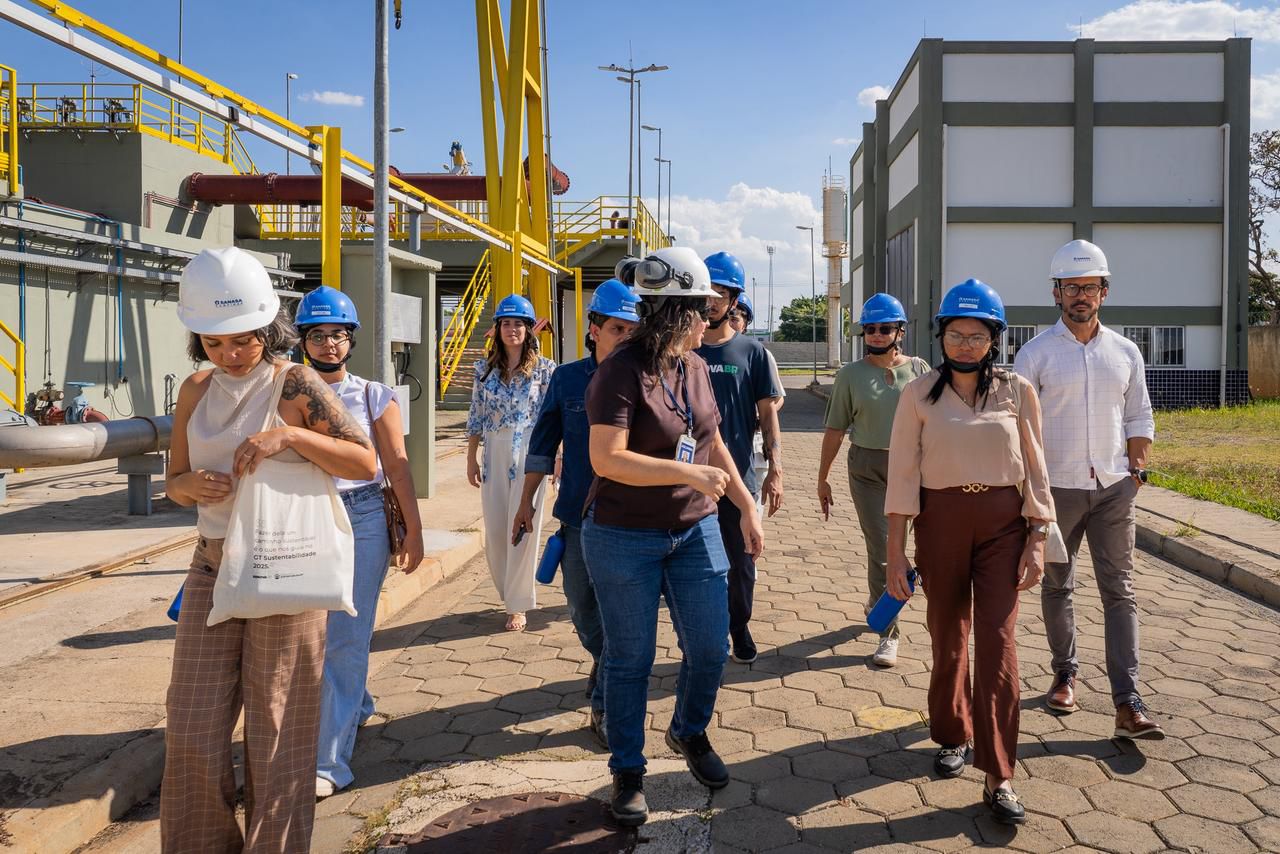
It was with this question in mind that 25 leaders from RenovaBR — including deputy mayors, city councilors, municipal secretaries, public managers, researchers, and social leaders from all regions of the country — met in Campinas on December 5th and 6th for the Technical Mission of the Sustainability Journey 2025, focusing on Basic Sanitation.
The event marked a moment of practical immersion and collective learning, connecting experts, partners, and public agents who work directly on environmental issues. The objective, from the beginning, was to expand the capacity of leaders to face the real challenges of the territories, learning firsthand about innovative solutions and sustainable policies that are already in place.
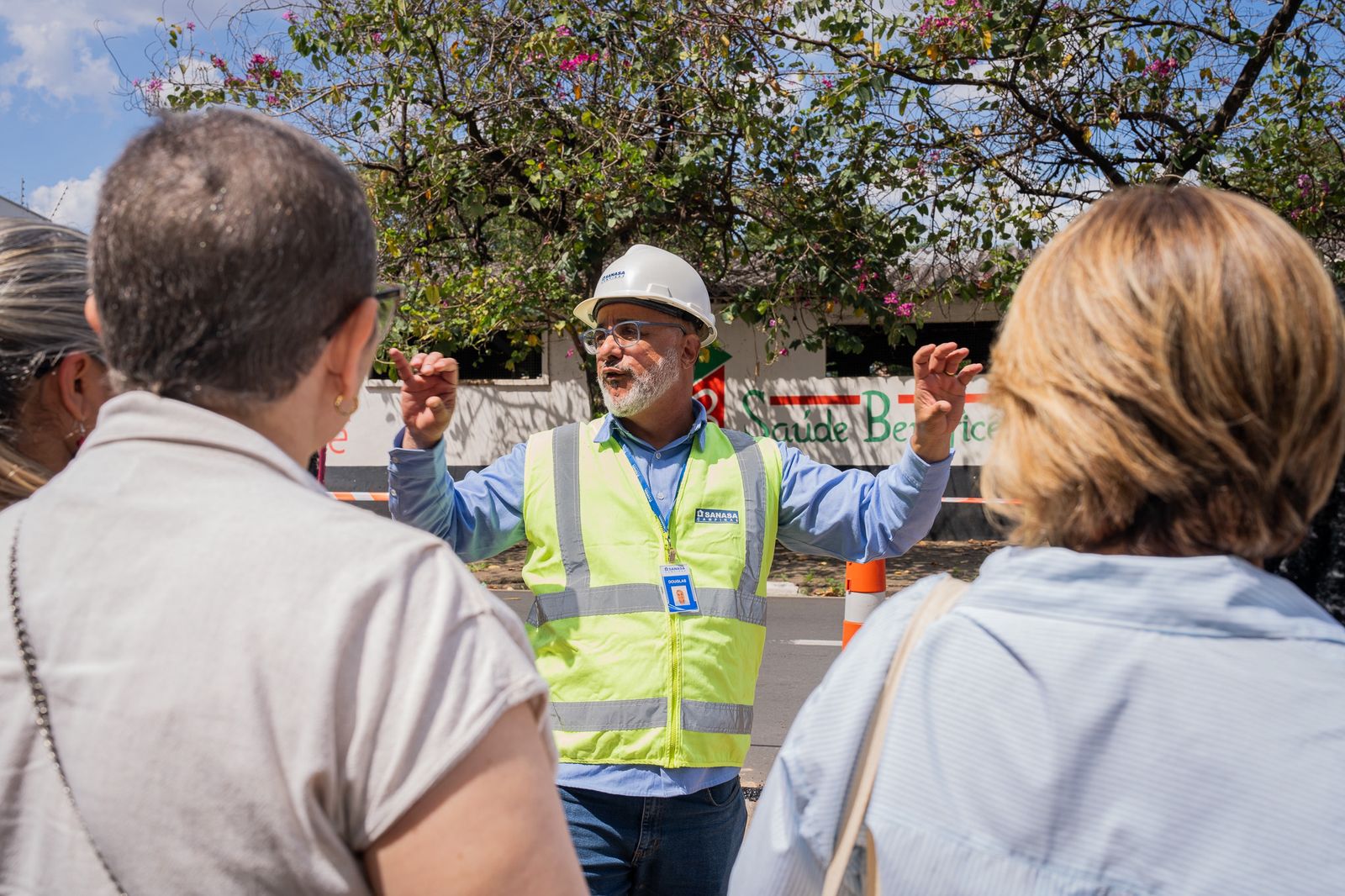
The mission took place at SANASA (Water and Sanitation Supply Company S/A), a sanitation company ranked first in basic sanitation by the TRATA Brasil Institute and a national benchmark for universalizing sanitation in Campinas by 2023—a decade ahead of the deadline set by the Legal Framework (Law 14.026/2020). Manoelito Magalhães Junior, president of SANASA, received the group and discussed the challenges of maintaining a universal sanitation system, highlighting the importance of long-term planning.
There, participants learned about the company's operational routine, visiting SANASA's Situation Room, where they witnessed the real-time operational monitoring system, learning about the control panels and protocols used by the company. Following this, they visited the Reclaimed Water Production Station (EPAR), where specialists detailed the treatment, reuse, and sustainable use of resources. The visit allowed them to visualize, in a concrete way, how technology, planning, and governance combine to guarantee wastewater treatment.
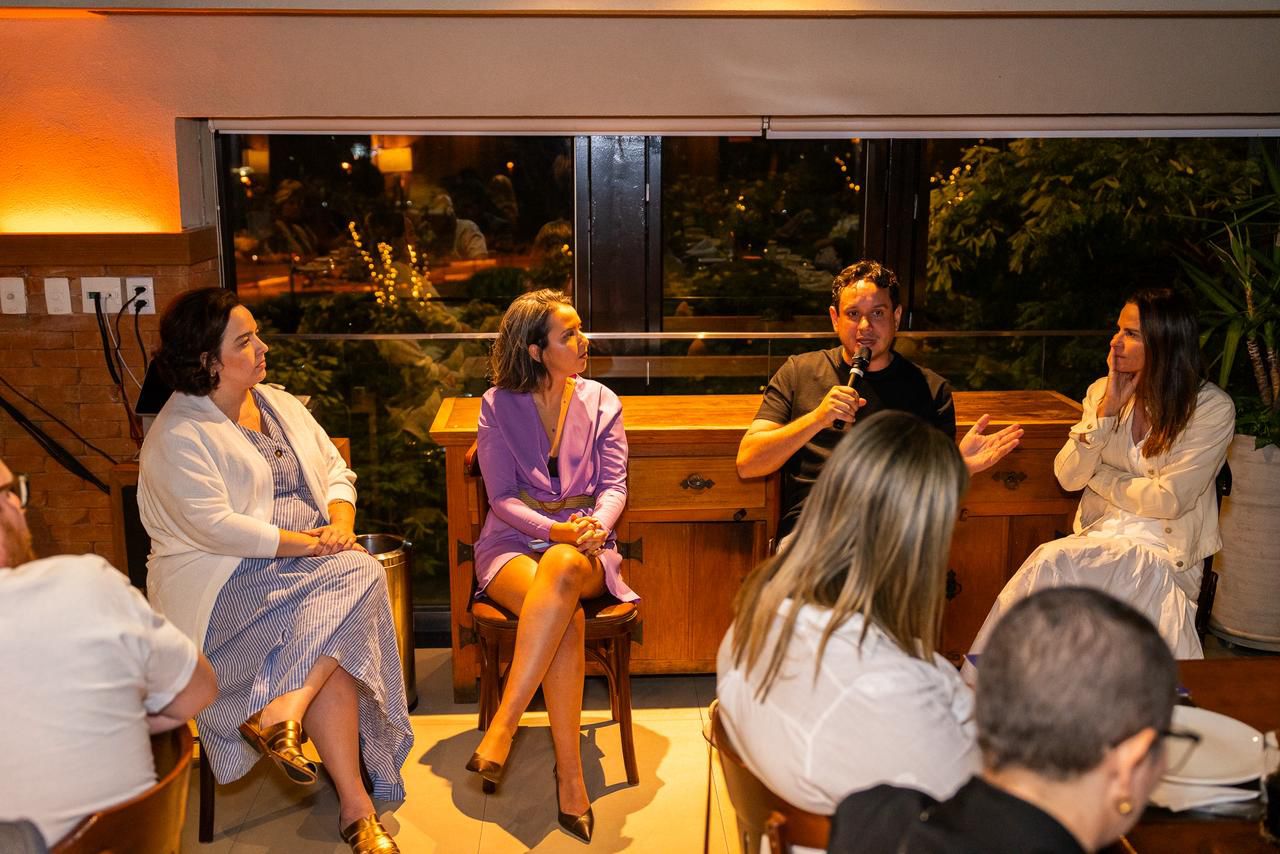
In the evening, the group participated in a roundtable discussion on environmental policies, led by the ambassadors of the Sustainability Journey 2025. André Fraga, former Secretary of Sustainability and current city councilor in Salvador and Adriana Bocaiúva, an expert in environmental law; in addition to guest Juliana Calsa, Director of People, Communication and Sustainability at Norte Saneamento. The meeting discussed pathways, obstacles, and opportunities for implementing sustainable policies at the municipal and regional levels, allowing for a frank exchange about the real challenges faced by leaders in their territories.
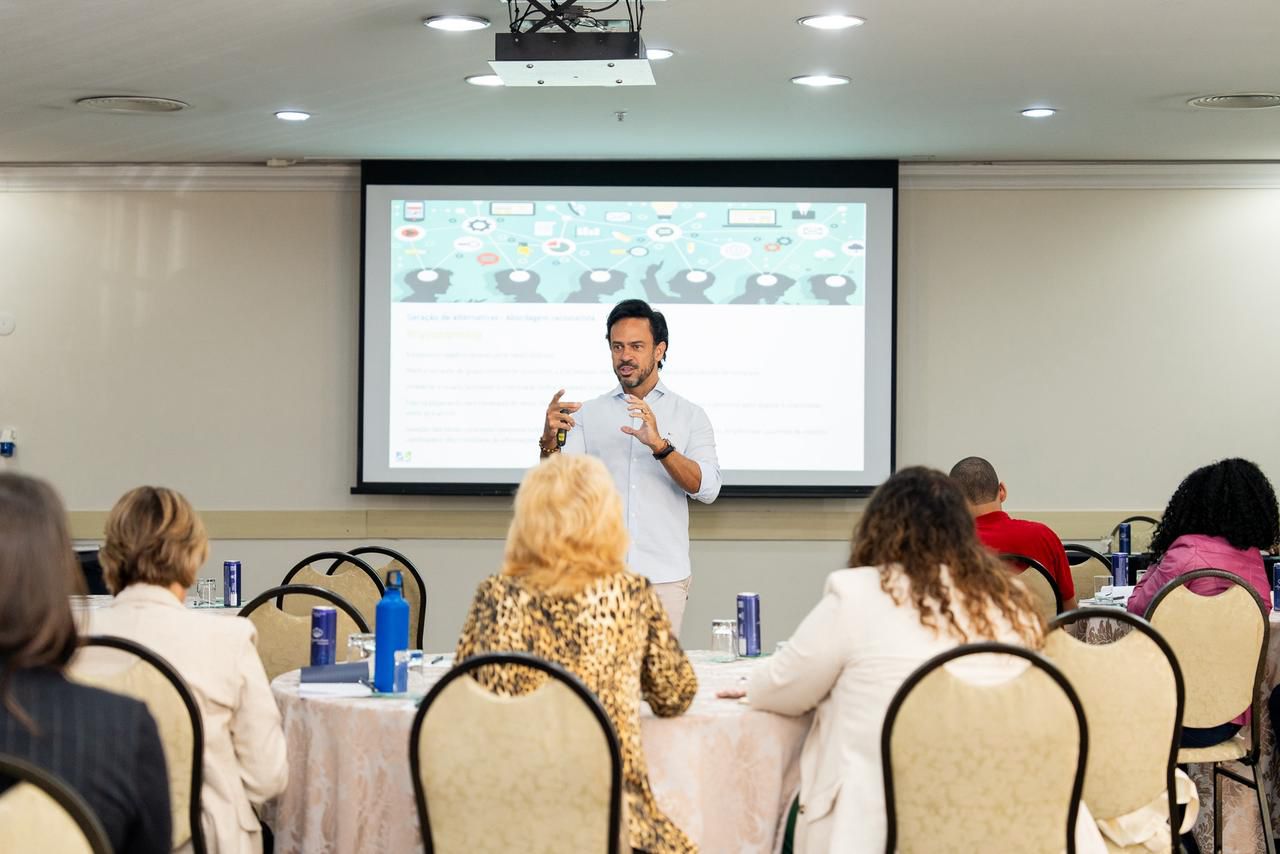
The Mission's program also included a class by Professor Eduardo Galvão, who led a practical activity on public policy analysis and the development of alternatives for real-world problems. This activity encouraged participants to systematize their learning and identify possible ways to apply the experiences observed during the mission in their own territories.
Impact of the experience
Barbara Barros, a RenovaBR alumna and public administrator from the Federal Rural University of Rio de Janeiro, stated that, even though she is already actively working on the issue, the more in-depth theoretical and practical study that the Conference provided is essential to continue her work as a political leader. "I believe that this exchange with other leaders and learning about policies in practice fosters renewal," she pointed out.
In addition to Barbara, other alumni participating in the technical mission highlighted that the knowledge gained will bring concrete results and changes to their respective regions.
Concluding the first edition of the Sustainability Journey, the Technical Mission marked not only the end of a cycle, but also the beginning of new connections and learning experiences. The experience reinforced the commitment to qualified and evidence-based public service, demonstrating that transforming knowledge into impact is a collective—and ongoing—journey.