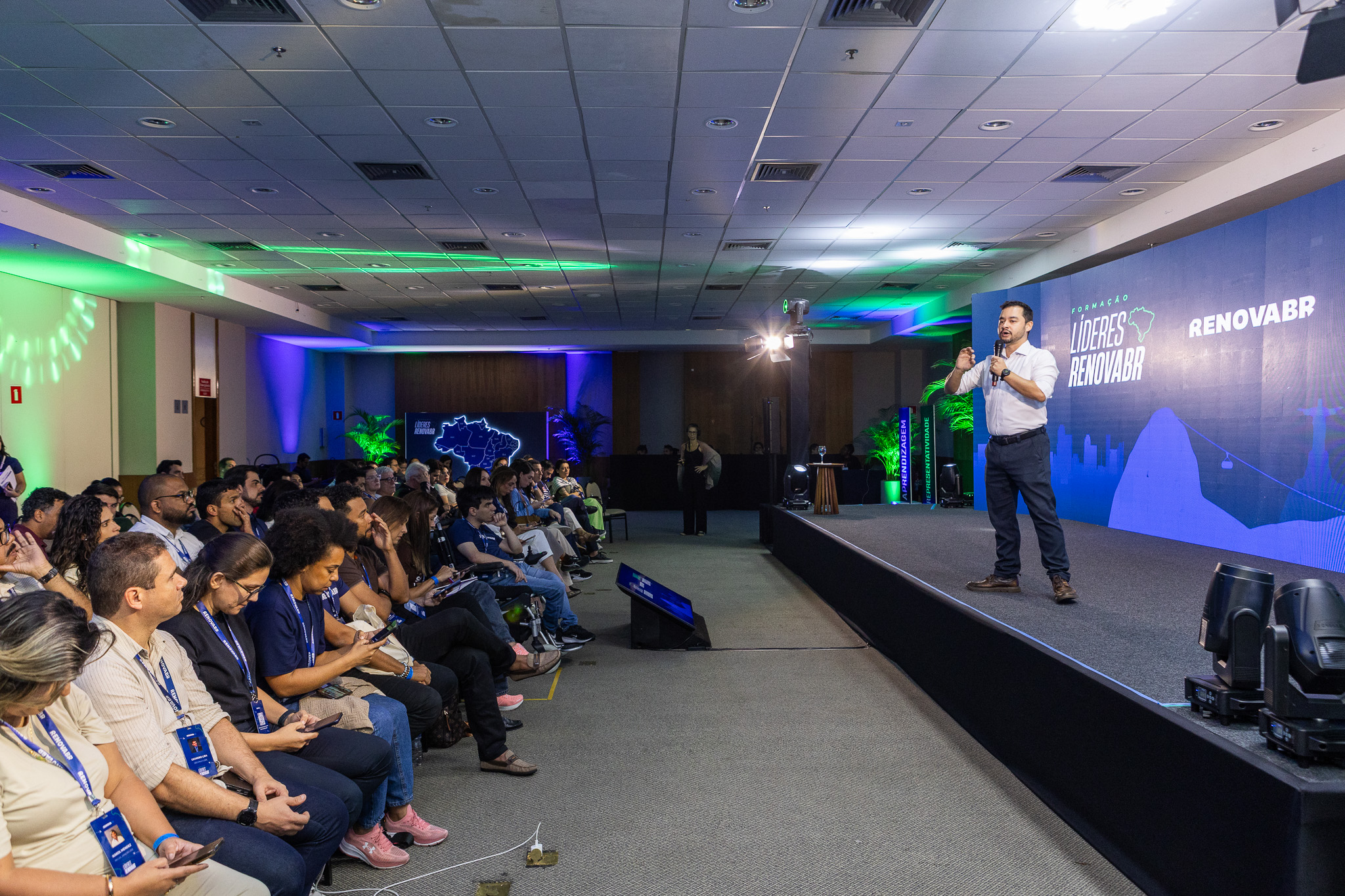
Last weekend, between May 15th and 17th, RenovaBR brought together students from the 2026 Leaders Training program for another in-person meeting, this time in Rio de Janeiro. With a program that combined theory and practice, the event covered economics, artificial intelligence, negotiation techniques, social media, and campaign strategies. More than just isolated topics, the discussions provided essential tools and reflections for those who wish to compete for, occupy, and transform positions of power.
The institutional opening of the event, on Friday evening (May 15), featured a panel on economic challenges and the 2026 elections, with the participation of Armínio Fraga, founding partner of Gávea Investimentos and former president of the Central Bank, and moderated by Irina Bullara, advisor to RenovaBR.
Based on his experience in conducting Brazilian economic policy, Armínio shared analyses on the limits and possibilities of the national scenario, highlighting how economic decisions impact governments, election campaigns, and public trust in institutions.
Women in politics: experiences, trajectories, and empowerment.
On the morning of the first day of the program, the students participated in an agenda specially designed for women who are about to face the challenges of institutional politics. The group visited the Casa da Mulher Carioca (Rio de Janeiro Women's House) and participated in a roundtable discussion with Joyce Trindade, Secretary of Policies and Protection for Women and leader of RenovaBR.
The meeting was a space for listening, exchange, and empowerment, bringing together experiences and trajectories of those who know, in practice, the challenges faced by women in building a political career.
Technology, strategy and political intelligence
Saturday led students to reflect on the role of technology in their respective political campaigns. Alan Bueno, an expert in the field, showed the future leaders how to conduct diagnostics in their campaigns through answers and questions via an app. Furthermore, during the panel, he presented the main pillars of a campaign. Following this, Nani Blanco, a political marketing strategist, provided supplementary information based on references regarding the development of a campaign plan.
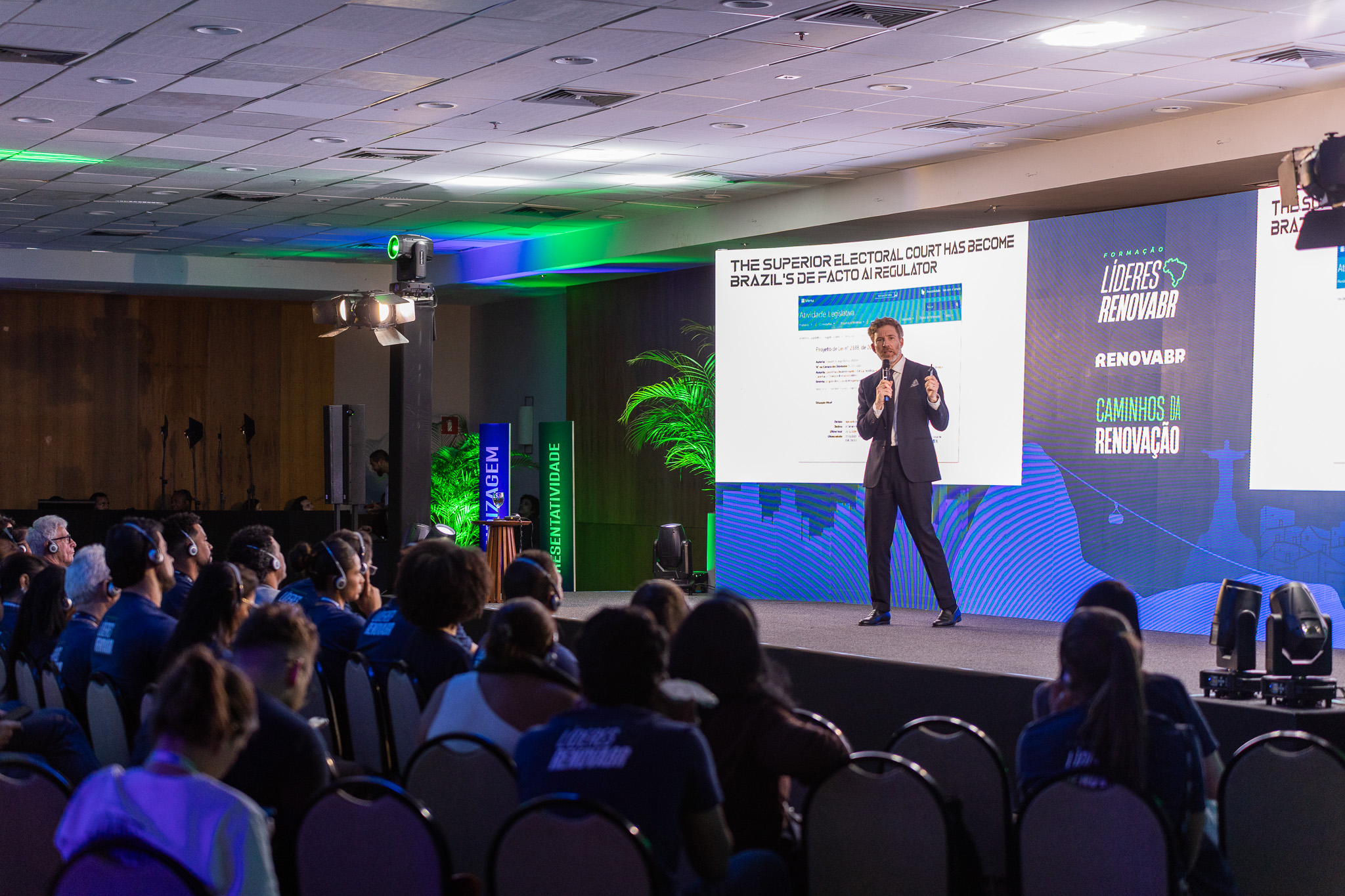
Furthermore, as part of the technology-focused programming, Johan Harvard, Global AI Advisory Lead at the Tony Blair Institute, led a panel discussion on the use of Artificial Intelligence not only in election campaigns but also in day-to-day politics.
Connections that cross borders.
One of the unique aspects of the Rio de Janeiro edition was the presence of international partners who, together with RenovaBR, have been building a global agenda for democratic strengthening and political education.
Representing the Better Politics Foundation were Suki Copobianco, Chief Strategy Officer, and Natalia Herbst. Andrés Valenciano, CEO of the Democracy+ network, was also present.
Negotiation, management and understanding of the voter.
The program also covered fundamental topics for those who intend to work in politics beyond campaigns. Silvério Zebral, Head of the Governmental Innovation Unit of the Organization of American States (OAS), led a class on political negotiation, addressing essential strategies and skills for building consensus and alliances.
Another highlight was the panel with Renata Vilhena, president of the Administrative Council of República.org, expanding the discussion on public management and leadership.
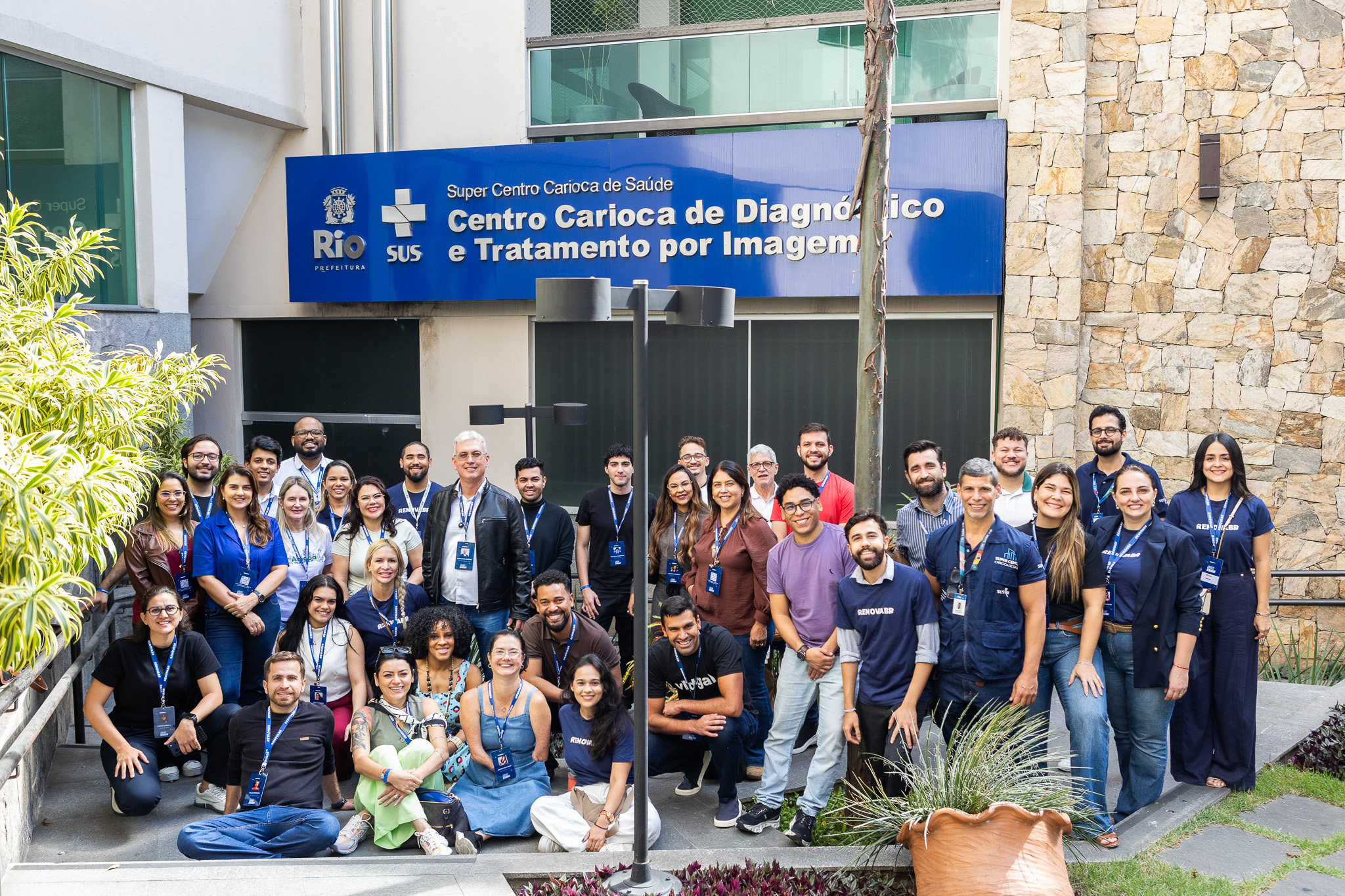
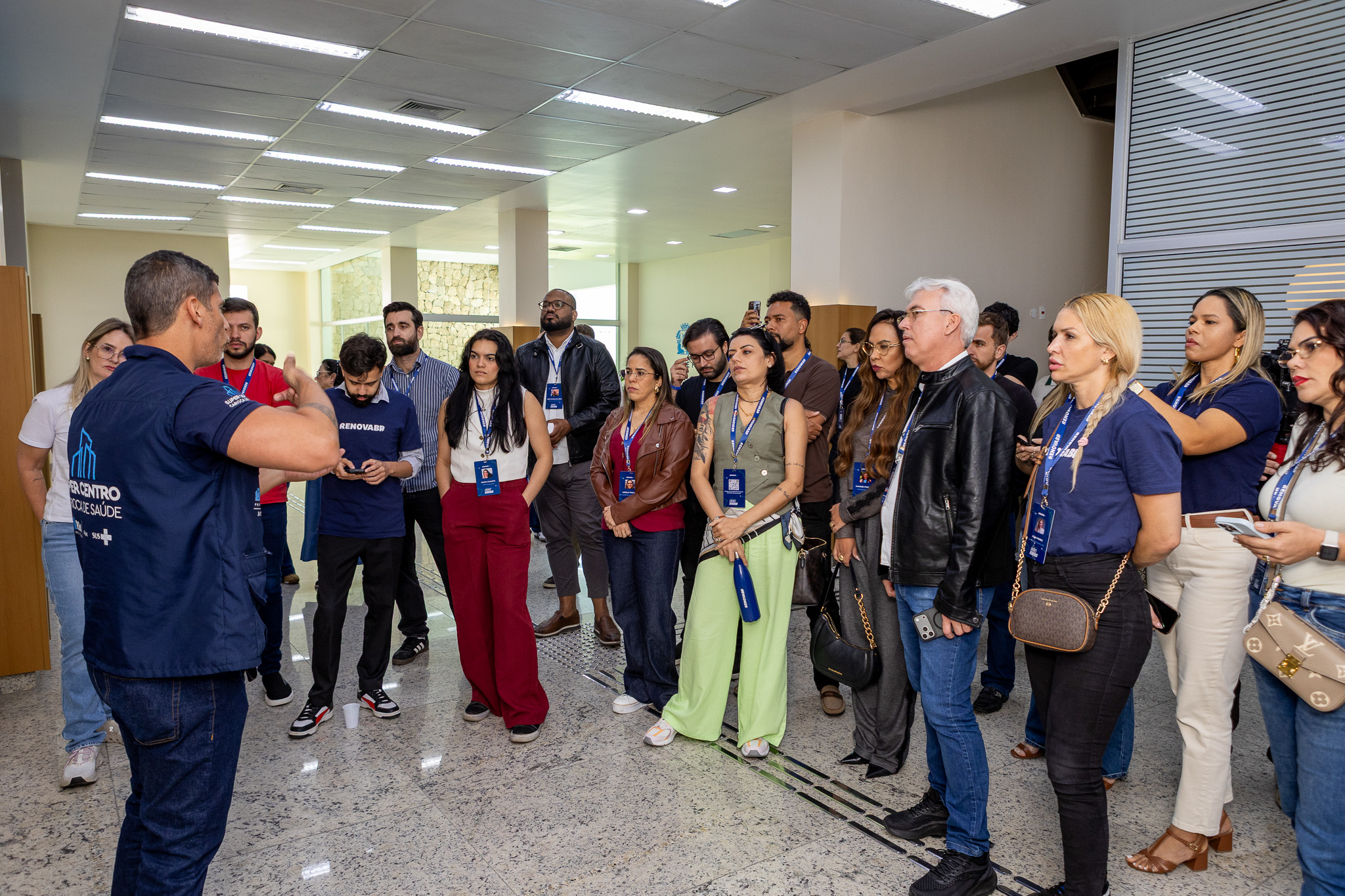
Concluding the immersion, Sunday (May 17th) offered experiences focused on the practice of public management. Students visited the Super Centro Carioca de Saúde and the Centro de Operações Rio (COR), learning about initiatives and structures that have been impacting the provision of public services.
The program concluded with a panel discussion on Brazilian voter behavior, led by Cila Schulman, a specialist in public opinion and politics. The conversation offered reflections on trends, scenario analysis, and the importance of deeply understanding who is on the other side of the campaigns: the voter.