Amid preparations to host COP30, municipalities have increasingly focused on the urgent challenges climate change poses to communities' daily lives. As part of this agenda, the 2025 Sustainability Journey, an initiative of the RenovaBR Alumni Community, developed a Working Group (WG) with leaders trained by the organization. This group has established itself as a space for analysis and collective development of alternatives to address climate issues, connecting different regions of the country around a central issue for the population's quality of life: basic sanitation.
In August, the GT held its second meeting marked by an unprecedented exercise within the proposal, in which RenovaBR Alumni went out into the field in their respective cities, with the intention of diagnosing the public problems faced.
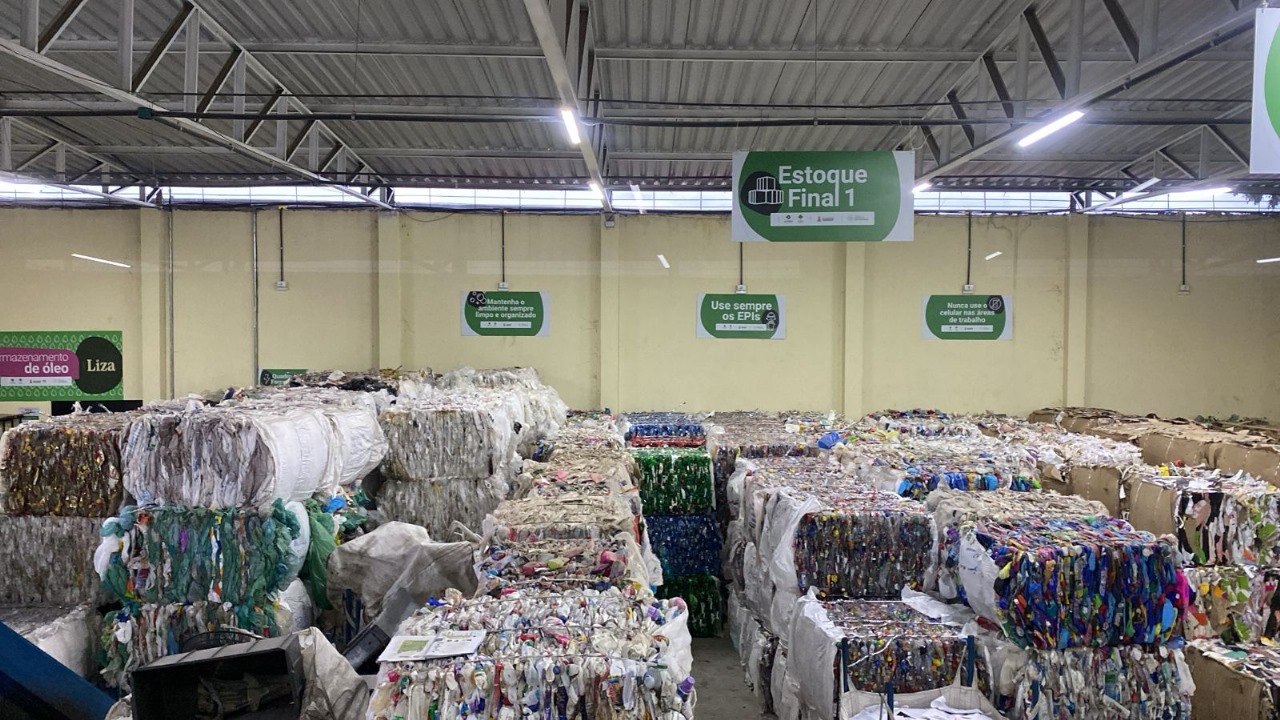
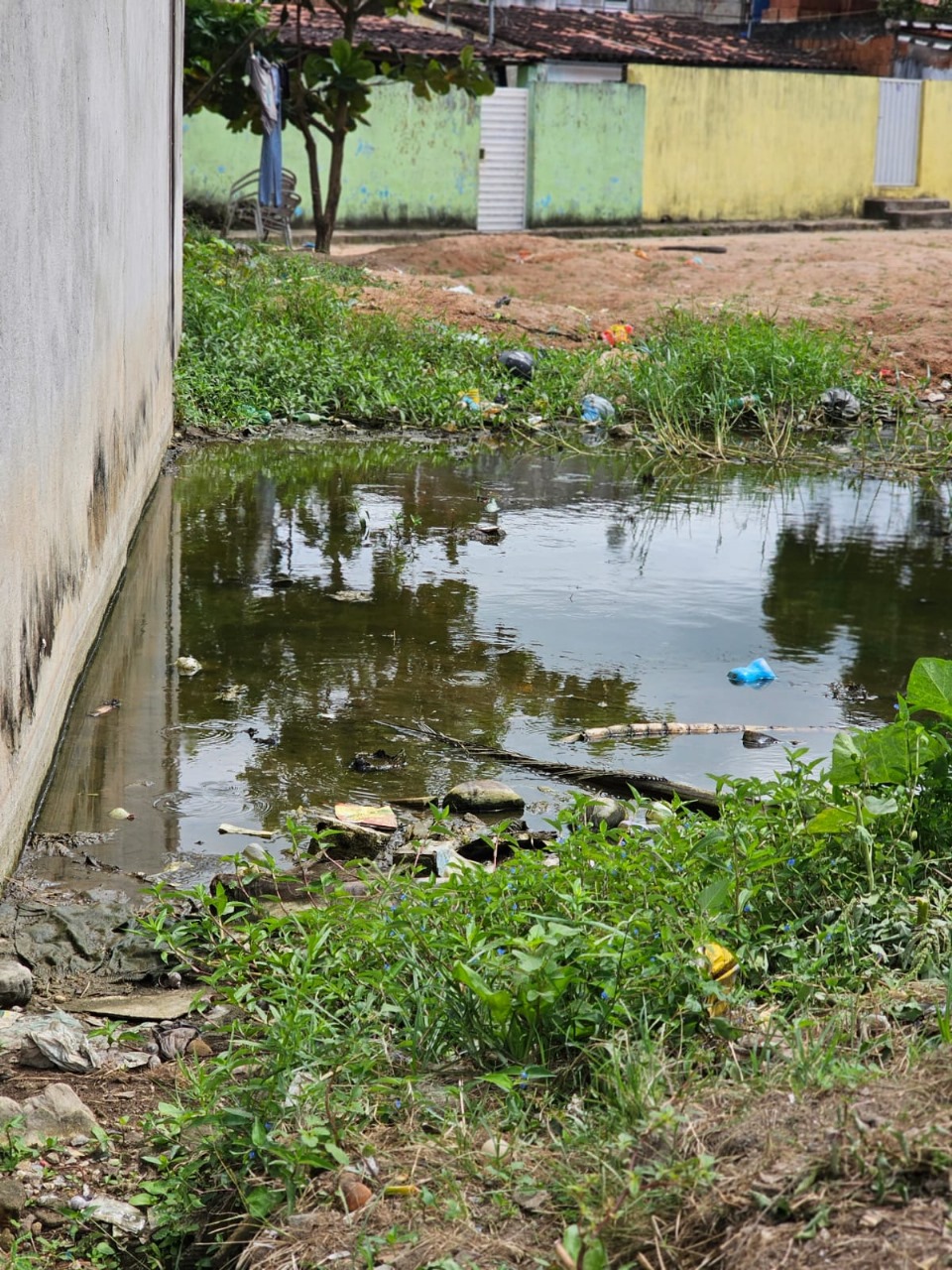
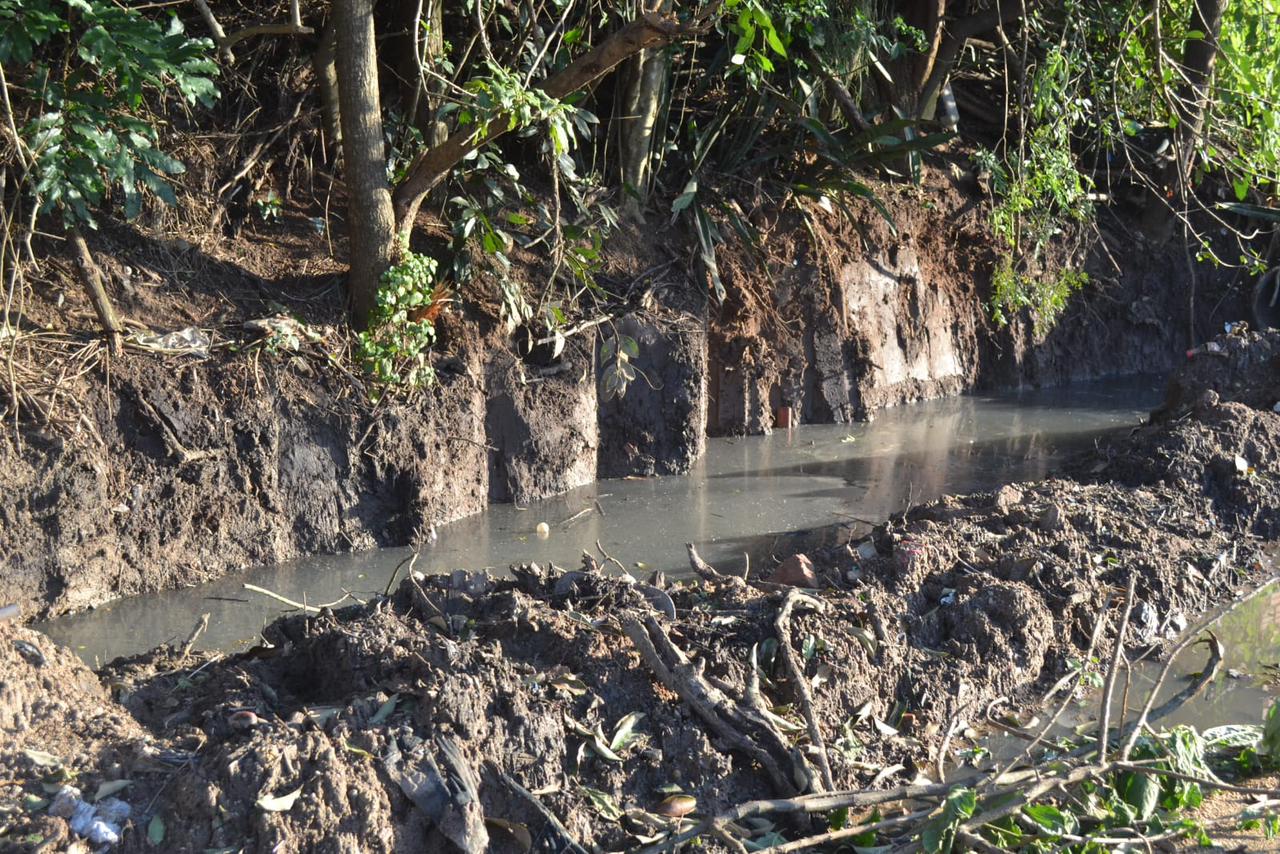
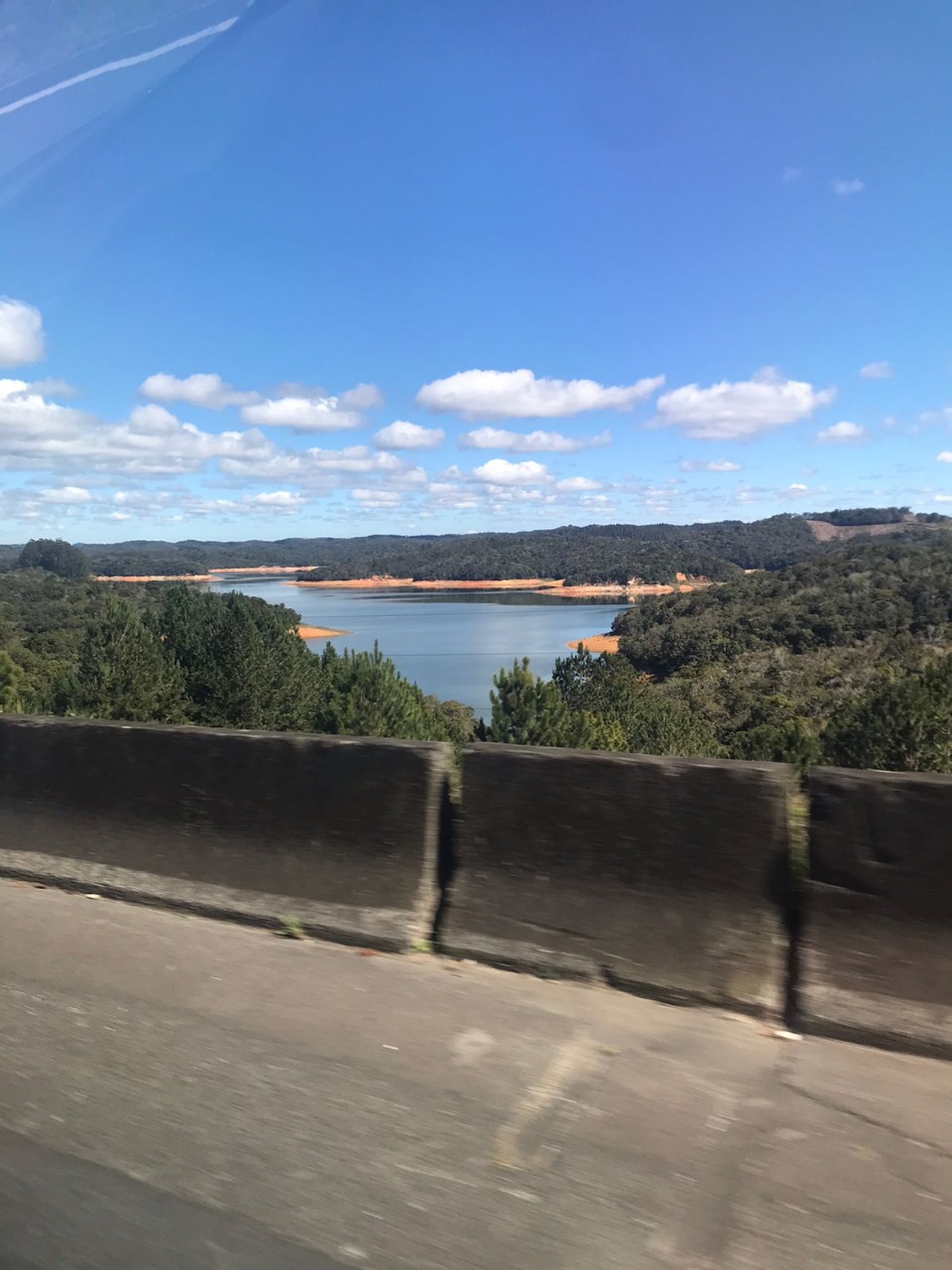
Divided into groups, they shared the issues they had identified, based on the guiding principles of the Basic Sanitation Legal Framework: water supply, sewage, urban drainage, and solid waste management.
The second meeting: field research as a turning point
In a "reverse pitch" format – inverting the traditional logic of decision-making spaces and starting with the real problems of the territory, then arriving at solutions – the leaders brought reports of the evidence observed in their regions to the other colleagues in the group.
But despite regional differences, the diagnoses that emerged from the cases presented during the reverse pitch revealed common and persistent obstacles, such as lack of regular access to water; precarious sewage systems that compromise the population's health; and gaps in urban drainage, making flooding more frequent. In addition to presenting their cases, identified through visits to the territories, the leaders collectively voted on which ones will be taken forward for the next steps of the WG, one case for each axis.
More than just raising problems, the experience demonstrated the value of collective learning. Although across regions, many of the challenges are recurrent, highlighting the need for structural and coordinated solutions.
RenovaBR alumnus Andreia Souza says the exercise showed her the value of listening to proposed solutions from within the community. "Even when using simple words, the common denominator is often the same as what academia advocates," she explains.
To complete the exercise, she sought to listen to both academic knowledge and the voices of the elders of Ponta Negra, Rio Grande do Norte, who remember how the region responds to natural changes and human intervention, from uncontrolled population growth to beachfront development. "I left the shore and went to the outlying neighborhoods, where many families still await the basics: access to sewage. I saw children walking through wastewater, heard reports of skin diseases, and realized how even the food we consume can be contaminated without us even realizing it. There, I understood that sanitation isn't just about infrastructure, but also about health, dignity, and the future," she shared.
In the end, he highlighted what he learned at RenovaBR that impactful policies are built this way: with data, with evidence, but, above all, with people.
The role of the GT in the Sustainability Journey
The Working Group is part of the Journey as a space for practical in-depth study, in which RenovaBR Alumni analyze public problems, share experiences and build collective solutions.
Guided by the public policy cycle—from problem identification to alternative formulation—the proposal featured a lecture at its first meeting by Leonardo Secchi, a professor of public policy and public administration. This framework, inspired by Secchi's methodology, guides and strengthens leaders' ability to transform local diagnoses into viable proposals. "The first lecture provided important insights for analyzing and implementing public policies," noted Alumni Áurea Galdino de Lima at the beginning of the WG meetings.
The meetings are permeated by the pillars of Legal Framework for Basic Sanitation (Law No. 14,026/2020), and serve as a reference for analyzing local contexts and for building solutions aimed at climate adaptation and improving the quality of life in municipalities.
The Sustainability Working Group will continue its journey, developing, in upcoming meetings, a problem tree to map causes, consequences, and actors, analyzing existing public policies and identifying gaps and best practices. The work will be systematized into concrete proposals and recommendations for public authorities and society, transforming listening into action, connecting data, experiences, and collaboration between different territories to prepare municipalities for a more sustainable future, compiled in a final report. More than a sequence of activities, the Working Group provides a space for leaders trained by RenovaBR to connect around a common theme. The final meeting will be in-person and will provide a technical mission from a reference location for best practices.


